Small acts of kindness and compassion can change families and communities. With love and patience, parents and children nurture hope and joy. Gratitude, sacrifice, education, and generosity often become quiet sources of inspiration.

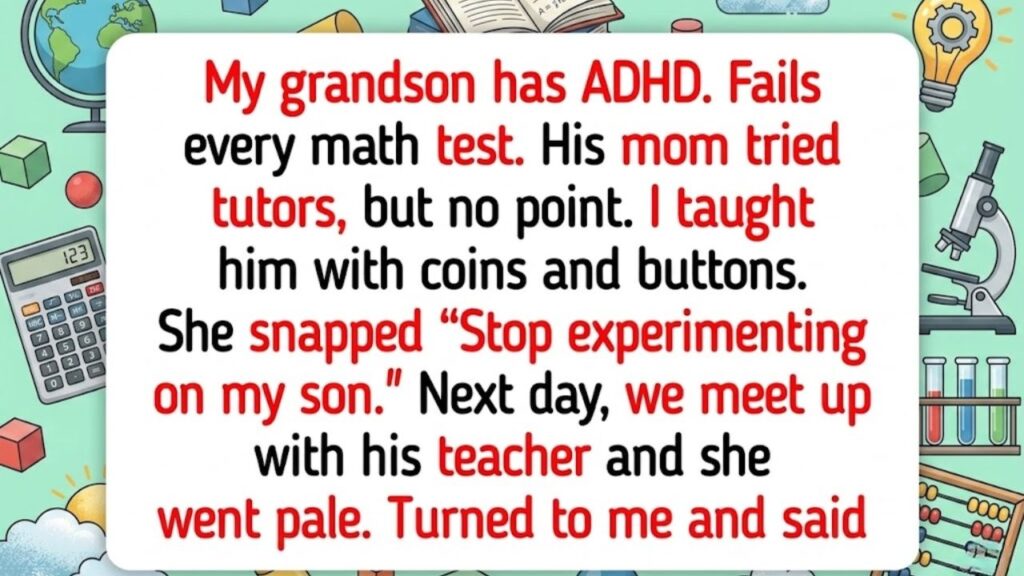
My grandson has ADHD. He’s 10, and struggles with math. Despite his mom trying tutors, nothing seemed to work. I decided to teach him using coins and buttons. His mom reacted harshly, saying, “This isn’t the 80s. Stop experimenting on my son.” I remained silent. The next day, we met with his teacher, and my daughter-in-law turned pale when the teacher said, “He scored highest in the class.” She looked at me with tears in her eyes, and said, “I’m sorry. Your methods were the only ones that helped him.” Now, every Tuesday, I’m at their table. He calls it “grandma school.”
One day, he even taught another struggling student using bottle caps. My daughter-in-law filmed it and sent it to me. I watched it fourteen times, feeling proud. The smallest actions can make a big difference, even in the most unexpected moments.

When I opened the email from HR, I was certain I would be fired. I had snapped at a customer after days of sleep deprivation from my dad’s hospitalization. I thought someone had complained, but instead, HR simply asked me to come in. I expected a lecture, but my manager asked if things were okay at home. I broke down, and they rearranged my schedule and connected me with counseling services. I went in fearing the worst, but walked out feeling supported.
After I accidentally backed into my neighbor’s mailbox, I braced myself for an angry confrontation. To my surprise, he was kind. He had noticed my hectic mornings and guessed I was going through a lot. We talked about my divorce for an hour. The next day, he replaced the mailbox and refused my money, asking me to “pay it forward.” I went from expecting anger to feeling not so alone.

When my daughter’s school counselor called, I thought she’d gotten into trouble. She had been acting out, and I feared the worst. But when I arrived, the counselor simply asked about things at home, and I broke down. He didn’t judge me; instead, he offered resources. I walked in expecting bad news, but left feeling understood.
I was sure my best friend was about to cut me off after I lied about missing her birthday dinner. She texted me, “We need to talk,” and I prepared myself for a confrontation. But she said she knew I was struggling financially and didn’t want me isolating myself. She had been covering for me with the group so I wouldn’t feel embarrassed. I walked in expecting to lose her friendship and walked out feeling loved and supported.
When my professor called me after class, I thought she was going to accuse me of plagiarism. I had turned in a poorly written paper because I was working multiple shifts. But instead, she told me my paper didn’t reflect someone who didn’t care, but someone who was overwhelmed. I ended up telling her I’d been sleeping in my car. She gave me an extension and connected me with campus housing resources. I expected to be exposed, but walked out feeling seen as a person.
When I missed the team’s quarterly report, I feared my boss’s wrath. Instead, when HR called me in, my boss asked if I was okay and offered to help finish the report. She had noticed my struggle and offered assistance, which relieved my anxiety. I expected punishment, but received support instead.

When I missed a rent payment due to my reduced hours, I feared eviction. But when my landlord arrived, he surprised me by offering a payment plan. He told me he had once been laid off too and understood the pressure. I expected eviction but ended up with understanding and support.
When my sister asked me to visit, I feared she had found out that I borrowed money from our mom without telling anyone. I expected a lecture, but she told me she had noticed my stress and wanted to check on me. She admitted she’d needed help too and never told me. I walked in feeling ashamed and left feeling supported.
After missing an important deadline, I thought my boss was going to fire me. Instead, he asked if I was okay, noticing I’d been “off” lately. I shared that my partner had just moved out. Instead of reprimanding me, he redistributed my workload temporarily, giving me the space I needed. I thought my mistake would define me, but it opened the door to support.
Even in the hardest moments of stress or failure, acts of kindness and compassion can spark hope and remind us that love, patience, and understanding still matter. Through empathy, generosity, and gratitude, people rediscover happiness and inspire others through simple acts of showing up for one another.