We often think of kindness as something soft, like a smile, a compliment, or holding a door open. But real kindness can be much stronger than that. Sometimes, it means standing between someone vulnerable and what is trying to break them. These moments, shared by real people, show compassion, empathy, hope, and small acts of courage appearing during the darkest times. Protecting someone who cannot protect themselves is one of the purest forms of kindness.
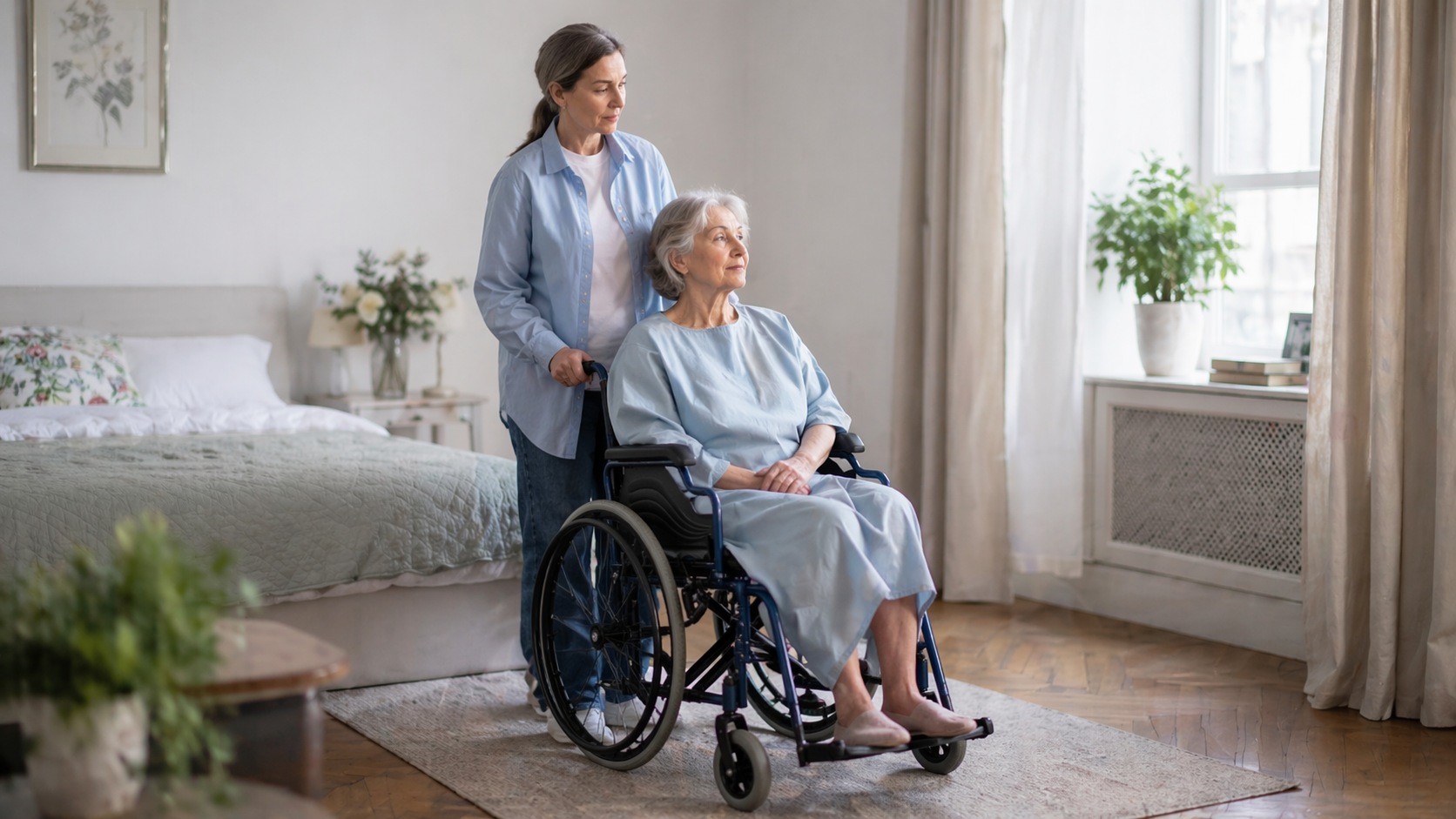
My mom was diagnosed with early-onset dementia at 49. I was 22. Slowly, she began forgetting words, then faces, and eventually even me. Being my parent had been her whole identity, and watching that fade was heartbreaking. One of the last clear days we had, she looked at me calmly and said she didn’t know who I was, but she could feel that I loved her. I was shattered. Her nurse had quietly been writing down all the stories my mom shared—memories about me, about her life. One day, she gave me a notebook filled with those moments. She said it was so I could keep what my mom was losing. That act of kindness was never required, but it became the most meaningful thing I own.
I have vitiligo across my face and neck. At an art gallery, I finally felt confident until I noticed a man secretly taking photos of me. That feeling of being treated like an object is hard to explain. Before I could react, a woman next to him calmly covered his camera and said something to him. He left immediately. She didn’t look at me or make a scene. She simply returned to what she was doing. In that moment, she protected my dignity without making me feel exposed.
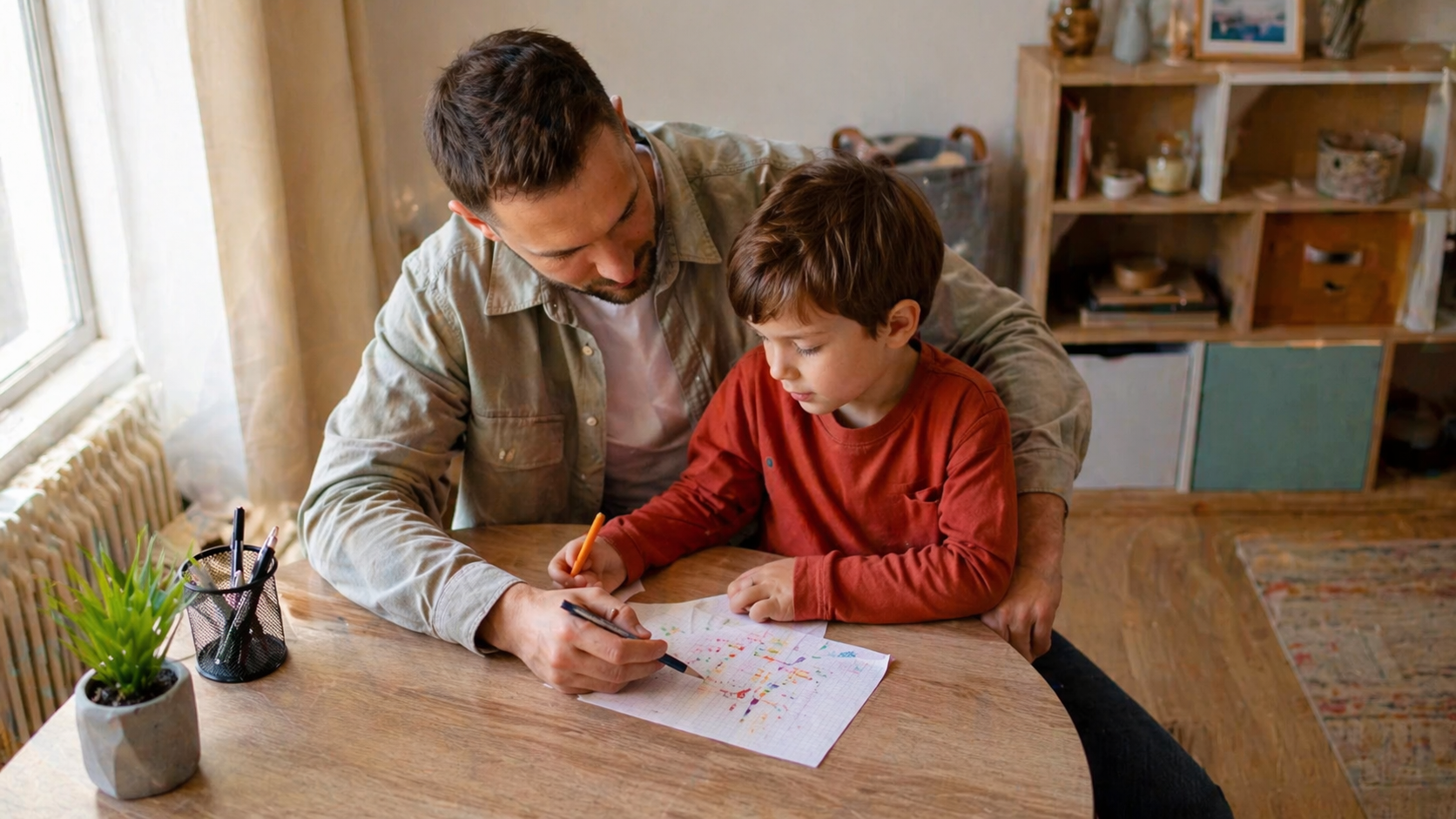
I became a single dad when my wife left. The same week, I learned about my son’s speech delay. During his first evaluation, a specialist criticized me for not bringing required materials and said his mother would have done better. I felt embarrassed and overwhelmed. Before I could respond, my four-year-old son, struggling with his words, said, “My daddy does everything. He just forgot the folder.” The room went silent. That moment changed everything. The specialist softened, helped us, and I later cried alone in my car. My son stood up for me when I couldn’t.
My grandmother had a stroke and lost her independence. She stopped speaking and eating. One day, I found her caregiver asking her to teach cooking using old recipe cards. My grandmother lit up, giving instructions from her chair. The caregiver understood something we missed—she didn’t need pity, she needed purpose.

I have a chronic illness that people can’t see. During a work trip, I couldn’t leave my hotel room for two days. When I told my manager, expecting frustration, she simply rearranged everything and asked if I needed help. No judgment, no pressure. That support changed how I felt about work and my illness.
My brother had been distant from our family for years. When I finally reached out, afraid of rejection, he answered warmly and said he had been waiting for me. There was no anger, only understanding.
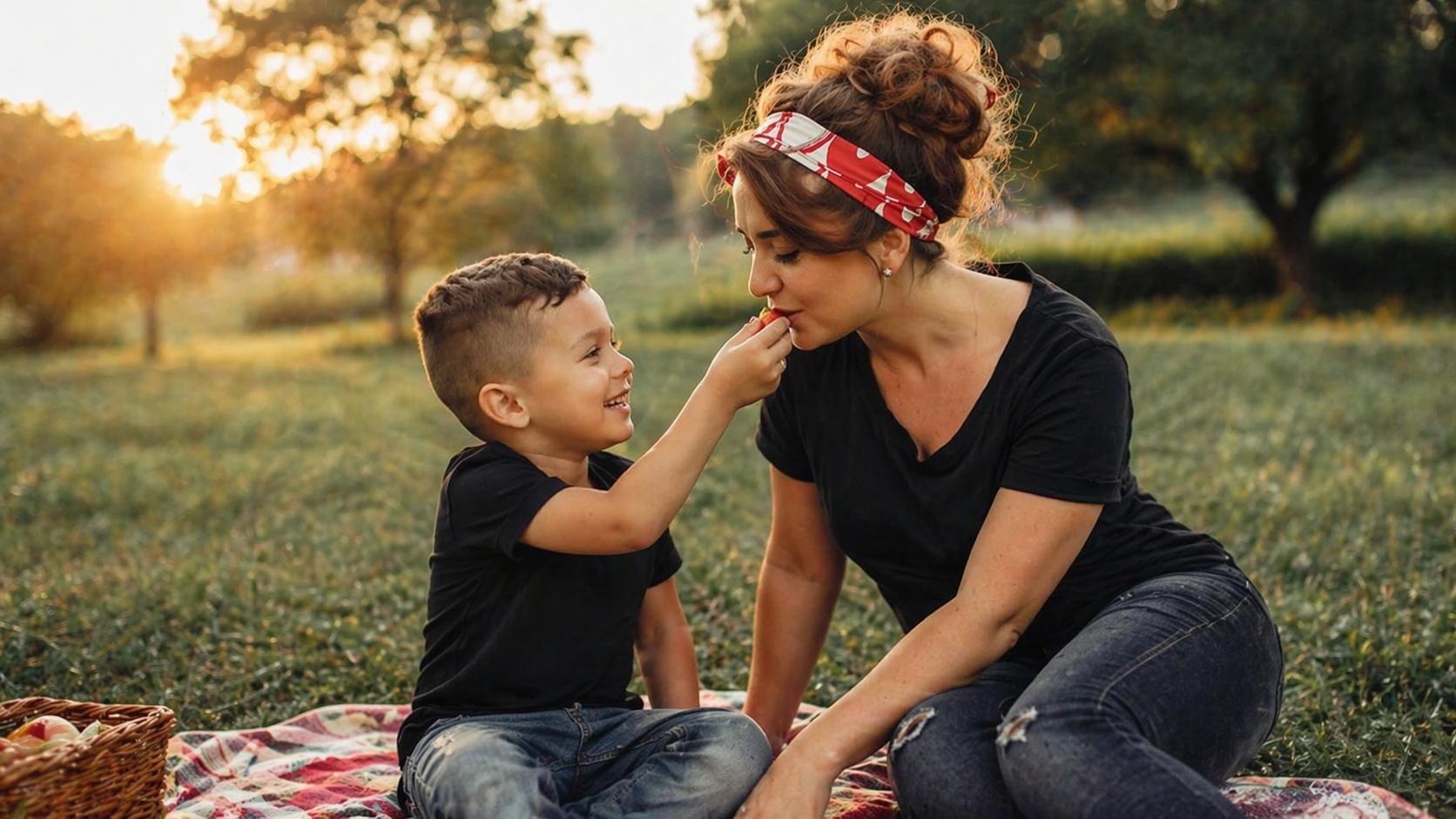
I discovered my husband had a child with another woman. His family blamed me. Years later, that child, now living with us part-time, gave me a simple card on Mother’s Day that said, “For the lady who is always here.” In that moment, a child gave me the recognition I never received from adults.
After caring for my grandmother for years, I was left out of her will. It felt unfair and painful. Later, I received a separate document she had prepared quietly. Inside was a letter and ownership of her childhood home. She had seen everything coming and chose to protect me in her own way.
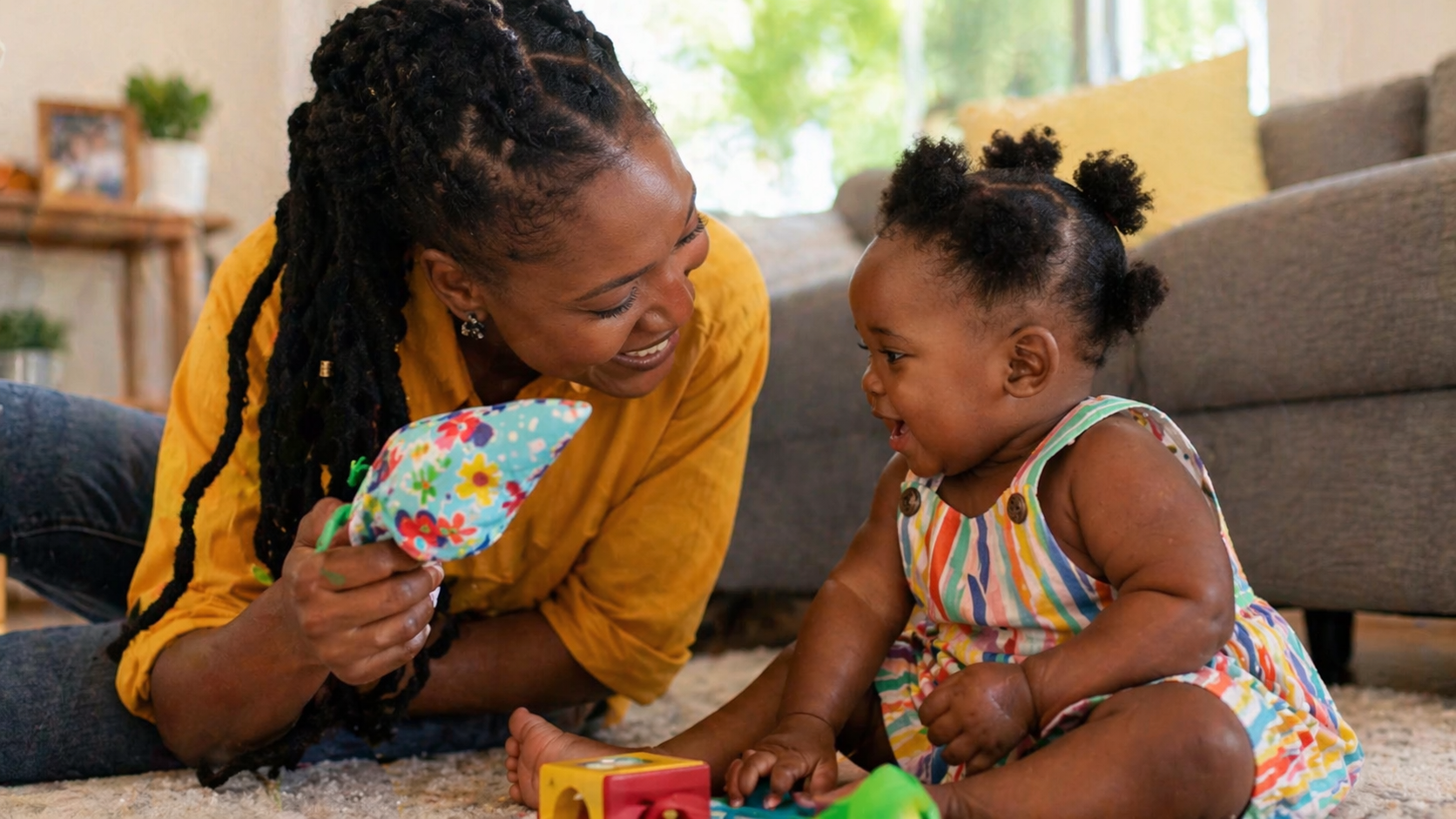
While working as a nanny, I noticed tension in a family. Their child asked if his father would leave. I didn’t have answers, but I created a simple activity—making joke books for each family member. That evening, the child gave them to his parents. They shared a quiet moment and had dinner together for the first time in months.
I was adopted as a baby and later found my biological family. The reunion was uncomfortable, and I felt unwelcome. As I was leaving, a woman approached me. She told me she had taken me to the hospital as a baby and always wondered if I was okay. She came just to see me. That small connection meant everything.

During a university exam, I was given the wrong paper for my visual needs. While I struggled, a student next to me quietly offered to read the questions. Later, he even claimed he had the same issue so I wouldn’t get into trouble. He risked himself to protect me.
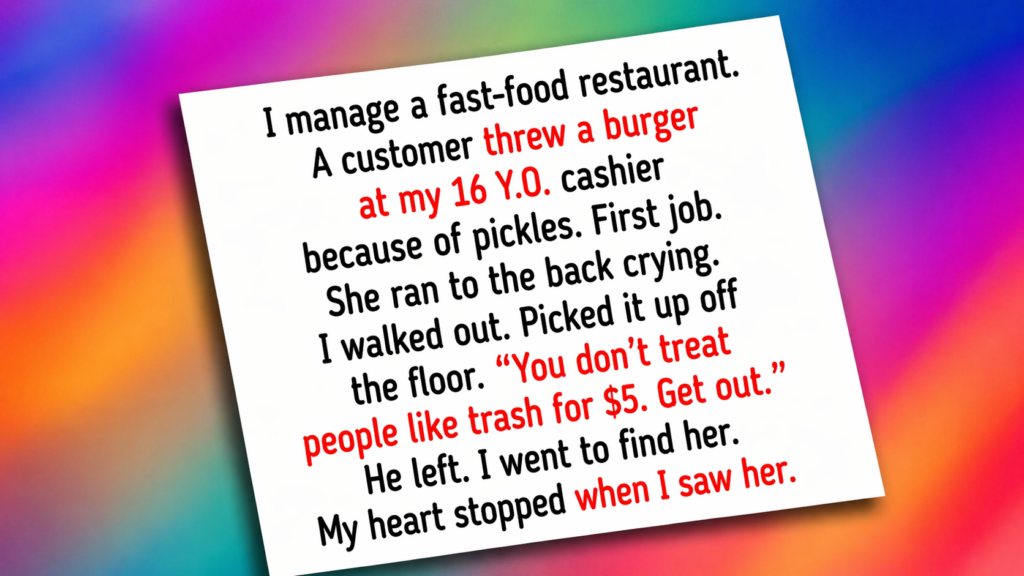
I manage a fast-food restaurant. One day, a customer threw food at a young employee. I asked him to leave immediately. Later, the employee apologized for not handling it better. That broke me. I told her no job requires accepting disrespect. She stayed, finished her shift, and grew stronger from that moment.