We dedicate a large portion of our lives to the workplace, often surrounded by individuals we never chose. Difficult managers, competitive coworkers, and emotionally challenging situations can push anyone to their limits. Yet, these real-life experiences demonstrate that empathy and humanity can still transform even the toughest environments.
- My supervisor always seemed harsh and unapproachable. During my mother’s funeral, he called me and spoke in a cold tone about deadlines, making me feel completely insignificant. Late that night, while I was struggling to finish work, someone knocked on my door. To my surprise, it was him. He had completed the task himself and brought food, apologizing sincerely and urging me to take time off.

- I once discovered a hidden camera near my desk, which immediately filled me with fear and suspicion. I was convinced a coworker disliked me and reported the issue. However, when the footage was reviewed, the truth was completely different. He had been leaving small gifts and notes of encouragement because he knew I was struggling financially. What I thought was intrusion turned out to be silent kindness.
- My manager enforced strict punctuality, and after being late several times due to family health issues, I expected consequences. Instead, I found a newly created flexible policy waiting for me. Without saying much, he showed understanding through his actions, ensuring I could balance work and personal responsibilities.
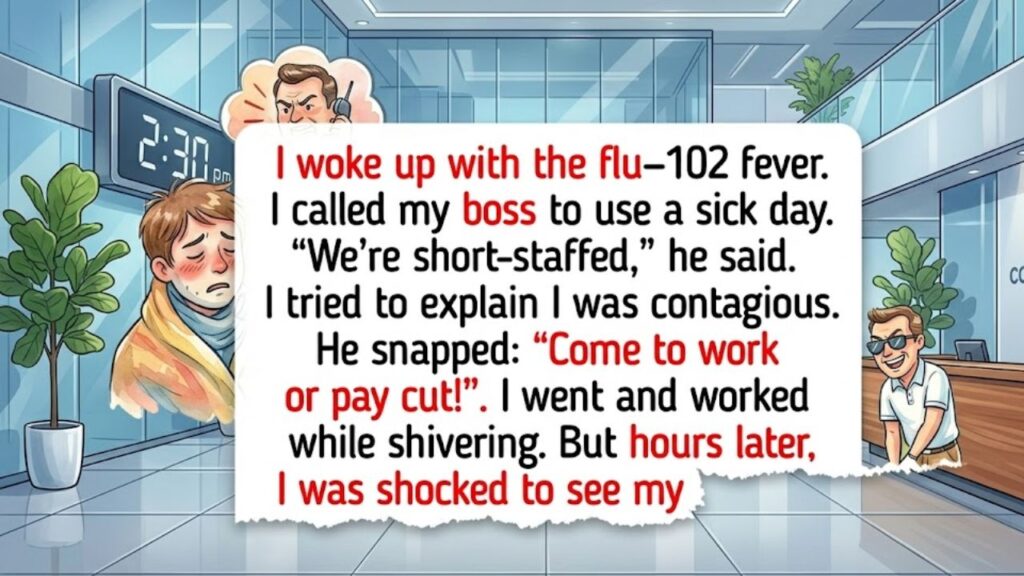
- There was a time when I fell ill with a high fever but was pressured to come into work due to staff shortages. Despite feeling weak, I showed up. Hours later, my manager arrived with medicine and apologized for his earlier behavior, sending me home and acknowledging that my well-being mattered more.
- I believed a colleague was trying to undermine me by constantly correcting my work. When I confronted him, he revealed that he was actually helping me avoid mistakes that could have led to my termination. His actions were not meant to harm but to protect my position quietly.


- A new team member kept her distance and avoided social interactions, which led many to misunderstand her attitude. One day, I noticed her eating alone with minimal food and realized she was supporting her family financially. I began sharing meals with her, and gradually, she opened up, showing warmth that had been hidden beneath her struggles.
- My vacation request for an important family event was initially denied, leaving me frustrated. Later, my manager surprised me with a flight ticket. He had spent days arranging it as a reward so I could attend without financial stress.
I once caught a coworker taking pictures of my work, assuming the worst. When confronted, he explained that he had identified a serious mistake that could have caused major losses. Instead of exposing me, he corrected it quietly so I wouldn’t face consequences.

I misjudged a situation involving two colleagues, assuming inappropriate behavior. When reported, the truth revealed something entirely different. One was supporting the other through a serious illness, covering medical expenses privately. Their actions reflected deep compassion, and I realized how quickly assumptions can lead to regret.
Another time, a strict manager refused remote work when I needed it most. I was prepared to resign, but later discovered he had discreetly arranged a solution that allowed me to work remotely without official scrutiny, prioritizing my family situation.
During a critical presentation, my mentor criticized me publicly, leaving me discouraged. The next day, I learned he had been negotiating a financial reward on my behalf, ensuring my value was recognized without drawing unwanted attention.
I once lost my job unexpectedly through a brief message, which left me devastated. Months later, I discovered that a colleague had been building a legal case against the company, and my dismissal played a key role. She shared the outcome with me, turning what seemed like a loss into an unexpected gain.

These experiences highlight how easily situations can be misunderstood and how powerful genuine intentions can be. In challenging environments, compassion often exists quietly, revealing itself when least expected.
What do these workplace stories teach us?
They show that kindness and understanding can exist even in difficult professional environments.
Why do misunderstandings happen so often at work?
Because actions are often judged without knowing the full context or intentions behind them.
Can strict managers also be supportive?
Yes, many demonstrate care through actions rather than words.
How can employees handle workplace conflicts?
By communicating openly and avoiding assumptions before understanding the full situation.
What is the key takeaway?
Never judge too quickly; sometimes what seems negative hides genuine support and empathy.