Kindness and compassion may require no money, yet their influence can reshape lives. The following narratives illustrate how simple care and empathy supported individuals in difficult times, strengthened relationships, and proved that even the smallest actions can carry immense value.
I was a single parent juggling night duties while raising my teenage daughter after her mother vanished. Food was scarce, and I often skipped meals so she wouldn’t go hungry. One evening, a colleague noticed my constant fatigue and insisted on covering my shift. Despite my refusal, she went further and stocked my fridge with groceries for an entire week. When I offered repayment, she simply said to focus on my child. That act gave me my first proper sleep in months. My daughter seemed lighter the next day, and I finally felt some relief. It wasn’t assistance—it was shared humanity. I learned that people often see struggles we try to hide.
Being jobless for a long period made me avoid calls out of shame. My savings were gone, and self-doubt filled my mind. To stay occupied, I volunteered at a local food bank. Helping others became a form of escape. The coordinator noticed my organizational skills and encouraged me to apply for a paid role. I hesitated but eventually tried—and succeeded. That opportunity restored my stability. Offering my time when I felt empty somehow made me feel whole again. I realized kindness often returns in unexpected ways.


After a dispute over inheritance, my sister and I grew distant. Communication stopped completely. When I lost my job, I expected no support. Yet, unknown to me, she arranged financial help to manage my expenses. She used her own savings quietly without seeking credit. I discovered it accidentally. Her silent generosity helped me rebuild during a critical phase. Without words, she slowly rebuilt trust. That experience showed me how actions can speak louder than past conflicts.
A neighbor, a single mother, struggled with rent while managing work and children. Her coworkers noticed her exhaustion and stepped in—covering shifts, organizing small funds, and even picking up her kids when needed. Over time, her stress reduced, and she regained balance. No one demanded recognition. Their consistent support made life manageable. It proved that repeated small efforts often matter more than grand gestures.
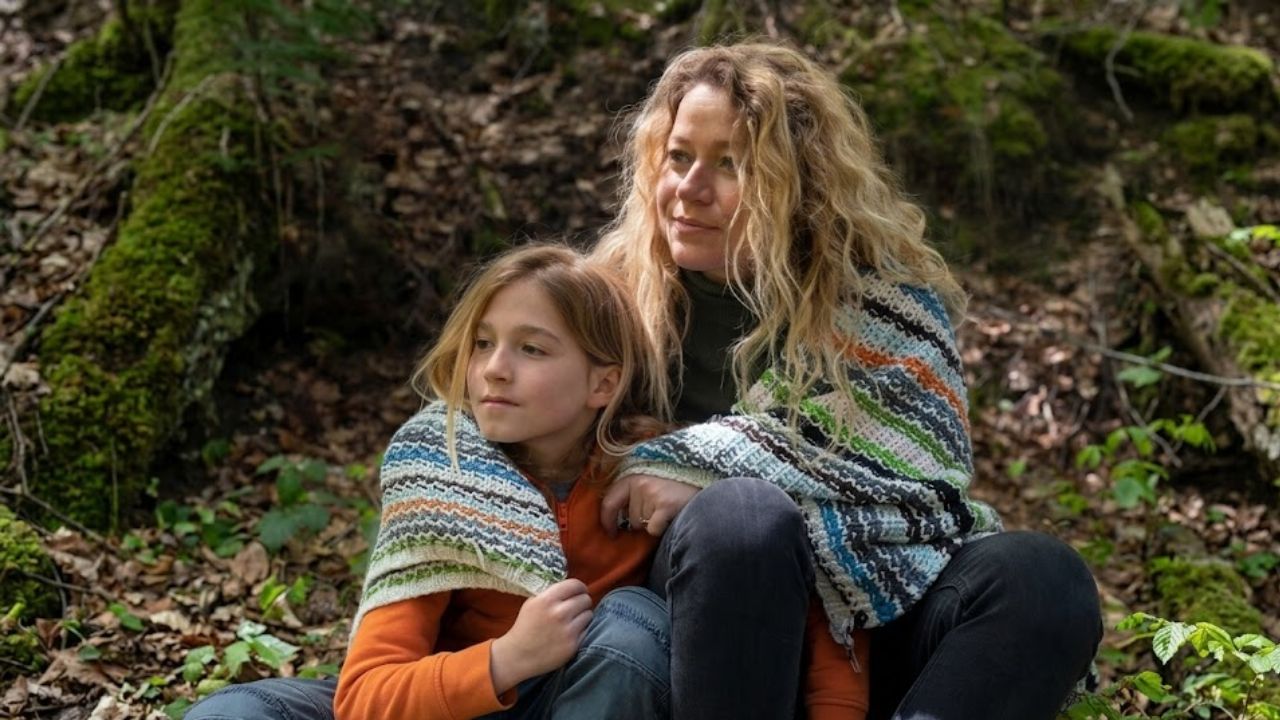
I spent months homeless, hiding in a park to avoid attention. One morning, a woman approached with food, warm clothes, and a note with resources. She shared that she had once been in a similar situation. Over time, she sent updates about shelters and small work opportunities. Eventually, I secured temporary housing and began saving. Her actions were simple yet life-changing. She gave me a sense of safety I had long lost.
During a severe storm, I struggled to feed my children. A stranger arrived with warm meals and blankets. She said she had noticed my situation earlier. She even helped arrange a small loan to manage bills. That night, for the first time in weeks, my children were calm and safe. She left quietly the next day. I never saw her again, but her presence held my family together.
I faced intense anxiety that made stepping outside extremely difficult. Therapy felt expensive and slow. I attended a yoga class reluctantly and nearly walked out midway. The instructor gently adjusted the pace without drawing attention. Afterward, she simply said showing up was enough. That small encouragement gave me strength to return. Healing began with acceptance, not pressure.

Growing up, I felt overlooked compared to my sibling. Even after marriage, I struggled with feeling excluded. Later, when my husband lost his job, my father quietly arranged financial support to cover our needs. He reduced his own expenses to help us. He never mentioned it. That silent act removed a constant fear and allowed me to focus on rebuilding. Over time, it softened our relationship.
An elderly man regularly fed pigeons in a park but refused help. During winter, someone began leaving him meals and warm clothes daily. She stayed unnoticed, yet her consistent effort improved his health. When asked, he simply said some people recognize need without being told. That quiet dedication reflected true kindness.

As a father, I struggled to comfort my son after his mother left. At a park, someone made a harsh remark about our situation. Before I could respond, an elderly man invited us to play chess. He treated my son with respect and patience. My child laughed again after weeks. That moment restored my confidence as a parent.
After my mother remarried, I felt like an outsider. When she fell seriously ill, one of her stepchildren unexpectedly took responsibility for appointments, care, and even finances. They sacrificed their own time and comfort without acknowledgment. Their steady support brought stability and changed how I saw them. Actions rebuilt bonds that words never could.
My mother raised me alone under extreme poverty. As I grew successful, I distanced myself from her. After her death, I discovered she had secretly saved valuable jewelry for me instead of spending money on herself. That realization shattered my resentment. Her silent love remained even after I walked away. It changed how I understood sacrifice and care.
True kindness is often mistaken for weakness until it transforms outcomes. These moments reveal how choosing empathy over pride can dissolve conflict, reshape lives, and prove that genuine strength is often quiet and unseen.